Manual Recliners vs Power Recliners: 5 Differences You Should Know
La-Z-Boy Southeast | March 13, 2026
When considering Manual Recliners vs Power Recliners, it’s important to know the difference between these two popular options. Manual recliners use a lever or your body weight to recline and typically offer a set number of locking positions, while power recliners use an electric motor controlled by buttons or a remote to deliver a nearly unlimited range of positions. Power recliners often include extras like adjustable headrests, lumbar support, and USB charging, but they cost more and need a power source. Manual recliners are lighter, less expensive, and work anywhere without a cord. The right choice depends on your mobility, budget, and how much time you spend in your chair.
That’s the quick answer. But if you’re trying to decide between the two, the details matter more than you might expect. Here’s what separates these two types of recliners and how to figure out which one actually fits your life.
How Each One Works
A manual recliner operates through simple mechanics. You pull a lever on the side of the chair or lean your body weight backward, and the footrest rises while the back reclines. Springs, hinges, and your own momentum do the work. It’s straightforward and familiar, which is part of the appeal.
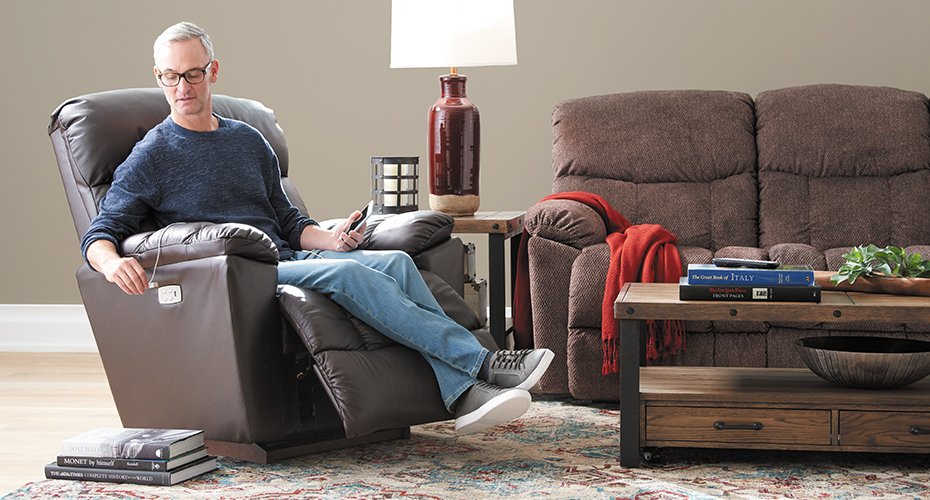
A power recliner replaces that mechanical effort with a small electric motor hidden beneath the upholstery. Press a button on the side panel or a wireless remote, and the chair glides smoothly into your preferred position. Release the button, and it locks in place. The movement is slower and more controlled than a manual mechanism, which some people prefer, especially if they’re holding a cup of coffee or settling in next to a sleeping pet.
Positioning and Adjustability
This is where the two types diverge most dramatically. Manual recliners generally offer a handful of preset locking positions. You can typically combine several footrest positions with several rocking or reclining angles, which gives you a decent number of combinations. That’s plenty for most people who just want to kick back and relax.
Power recliners take adjustability to another level. Because the motor stops wherever you release the button, you get a virtually infinite range of positions. Many power models also let you control the backrest and footrest independently, so you can raise your feet without reclining your back, or tilt your head forward while keeping the rest of the chair flat. Higher-end power recliners add adjustable headrests and powered lumbar support, letting you fine-tune comfort from head to toe. Some even include memory settings that save your favorite position so you can return to it instantly.
Power Source and Placement
Manual recliners don’t need electricity, which means you can put them anywhere in a room without thinking about outlets or cord management. That flexibility makes them a natural choice for rooms where the furniture floats away from walls or where outlets are scarce.
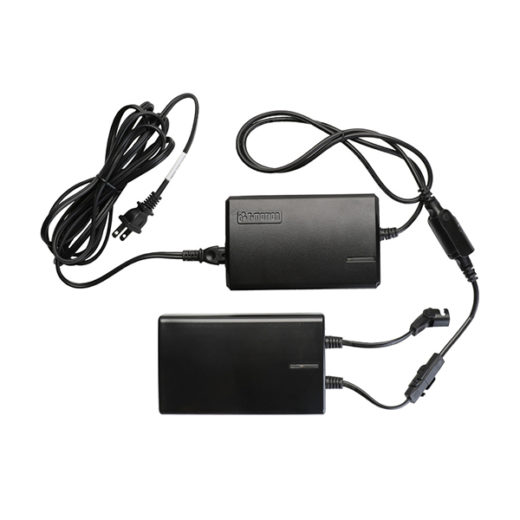
Power recliners need to plug into a wall outlet, which can limit where you place them. However, most manufacturers now offer rechargeable battery packs that mount underneath the chair and eliminate the cord entirely. A fully charged battery typically lasts several weeks with normal use, so you’re not tethered to the wall. Still, it’s one more thing to think about when planning your room layout.
Extra Features
Power recliners have a clear advantage when it comes to add-on features. Because they already have an electrical system built in, it’s easy for manufacturers to layer on extras. Heat and massage options are almost exclusively found on power models. USB charging ports are common. Some chairs include wireless remotes, and a growing number offer zero gravity positioning that elevates your knees above your heart to improve circulation and reduce pressure on your spine.
Manual recliners keep things simple by design. You won’t find heated seats or built-in phone chargers, but you also won’t have electronic components that could eventually need repair. For people who just want a comfortable place to sit and rock, that simplicity is a feature in itself.
Weight and Portability
The motor, wiring, and additional mechanisms inside a power recliner add noticeable weight compared to a manual model. If you rearrange furniture often or need to move a chair between rooms, a manual recliner will be significantly easier to handle. This is worth considering if you live in a multi-story home or anticipate moving in the near future. Consider a full-service delivery option to save a strained back trying to move it into your home by yourself!
Maintenance and Longevity
Manual recliners have fewer moving parts and no electronics, which generally means fewer things that can wear out or malfunction over time. The mechanical lever and spring system is simple and durable.
Power recliners introduce motors and electrical components that can eventually need attention. A motor might wear down after years of heavy use, or a wiring connection might loosen. That said, quality power recliners from reputable manufacturers are designed to last for years, and most come with solid warranties on the motor and mechanism. Choosing a well-built chair with a strong warranty goes a long way toward protecting your investment.
Price Differences
Power recliners cost more than comparable manual models, and that gap grows as you add features like powered headrests, lumbar adjustment, heat, and massage. Expect to pay a few hundred dollars more for a basic power upgrade, and potentially significantly more for a fully loaded chair. Manual recliners deliver excellent comfort at a lower price point, making them a smart choice if your budget is a priority.
So Which One Should You Choose?
A manual recliner makes sense if you want reliable comfort without complexity, you prefer placement flexibility, or you’re working within a tighter budget. It’s also a solid pick for rooms where a simpler aesthetic matters, since many manual models have a slimmer, less bulky profile.
A power recliner is worth the investment if you spend long stretches in your chair reading, watching TV, or napping. It’s also the better choice for anyone with mobility limitations, joint pain, or recent surgery, since pressing a button requires far less physical effort than operating a lever. The independent positioning controls and advanced comfort features genuinely improve the experience for people who use their recliner as a daily retreat.
The best approach is to sit in both types and pay attention to how each one feels in real time. Features and specs matter, but comfort is ultimately personal, and your body will tell you which recliner belongs in your home.
Here are some additional resources you may like to check out:
- How to Pick the Best Recliner for Me
- 7 Features & Benefits of La-Z-Boy Recliners
- 10 Best Selling Recliners From This Year
We’d be happy to help you find the perfect recliner for your needs at any of our locations in NC, SC, and GA.